
Estimated reading time: 3 minutes
Discover the Wonders of Ancient Egyptian Civilization
The Ancient Egyptian civilization is one of the most remarkable cultures in human history. It developed thousands of years ago along the fertile banks of the Nile River and became known for its impressive architecture, advanced knowledge, and unique traditions. Today, millions of travelers and historians remain fascinated by the achievements of this powerful civilization.
From majestic temples to mysterious pyramids, the legacy of ancient Egypt continues to inspire curiosity around the world.
Life Along the Nile River
The success of the Ancient Egyptian civilization was closely connected to the Nile River. The annual flooding of the river created fertile soil that allowed agriculture to flourish. Because of this natural cycle, Egyptian farmers could grow crops such as wheat, barley, and vegetables that supported a growing population.
In addition, the Nile served as an important transportation route, helping people trade goods and communicate between cities.
The Role of Pharaohs in Egyptian Society
Pharaohs were central figures in the Ancient Egyptian civilization. They were considered both political leaders and sacred rulers who represented the gods on earth. As a result, they held great authority over the country and guided important projects such as building temples and monuments.
Many famous pharaohs left impressive legacies, including massive temples and monuments that still stand today.
Temples, Pyramids, and Monumental Architecture
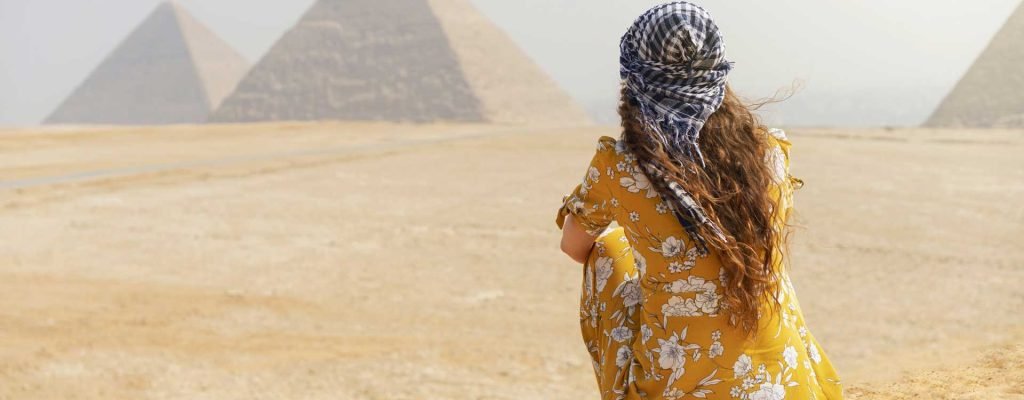
One of the most recognizable features of the Ancient Egyptian civilization is its monumental architecture. The pyramids, temples, and statues built thousands of years ago demonstrate the advanced engineering skills of ancient Egyptian builders.
These structures were often designed to honor the gods or serve as royal tombs. Even today, visitors travel from around the world to admire these incredible historical landmarks.
Religion and Cultural Traditions
Religion played an important role in the Ancient Egyptian civilization. Egyptians believed in many gods and goddesses who controlled different aspects of life and nature. Temples served as places of worship where priests performed rituals and ceremonies.
Additionally, beliefs about the afterlife influenced burial practices, including the famous tradition of mummification that preserved bodies for the next world.
A Legacy That Continues Today
The influence of the Ancient Egyptian civilization remains visible in modern culture, archaeology, and tourism. Museums, historical sites, and research projects continue to reveal new discoveries about this fascinating society.
For travelers visiting Egypt, exploring ancient temples, tombs, and monuments offers a unique opportunity to connect with one of the world’s most important historical civilizations.
Related :